
 4.8 out of 5 Customer Rating
Skin Boosters
Numbing Cream For Waxing: A Quick Guide
Jul
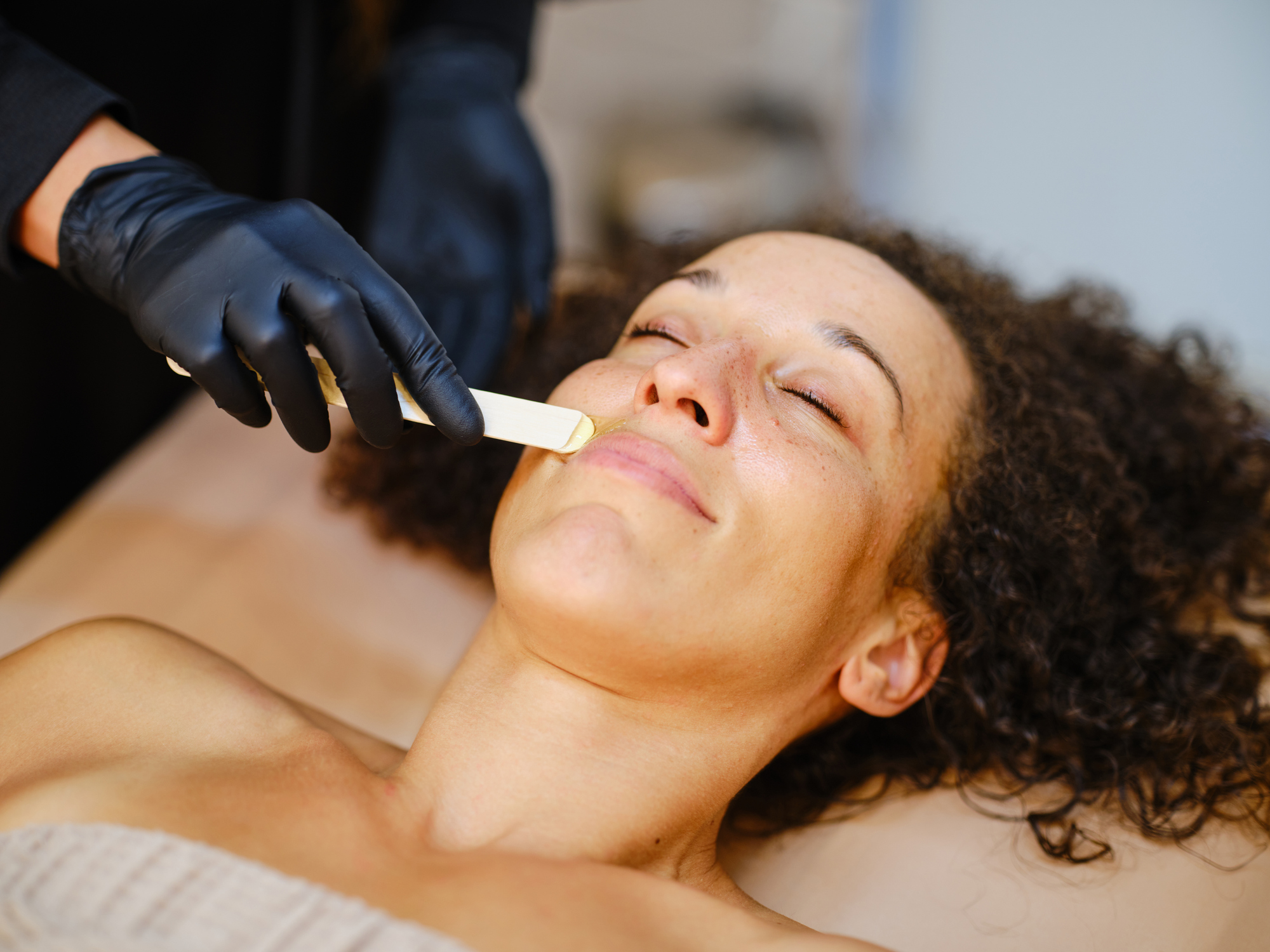
Waxing can feel intimidating, especially for clients who are booking their first appointment, treating a sensitive area or preparing for a bikini, Brazilian, underarm or upper lip wax. Even clients who get waxed regularly can feel nervous when they know a certain area is likely to sting.
Numbing cream can be used to reduce waxing discomfort when used correctly. It will not make waxing completely pain-free, and it isn’t suitable for every person or every area, but it can make certain treatments feel more manageable.
When discussing whether numbing cream is a good choice for waxing, clients want to know whether it actually works, how long before waxing it should be applied and how it can make the treatment more comfortable.
This guide explains how it works, when it may help and what to check before using it.
How Can Numbing Cream Improve The Waxing Process?
Numbing cream is used to reduce how strongly the skin feels discomfort. It is often most useful on sensitive areas such as the bikini line, underarms and upper lip.
However, it will not remove every sensation. Clients may still feel pressure, pulling and warmth from the wax. It should also be fully removed before waxing so the wax can grip the hair properly.
How Should You Apply Numbing Cream Before Waxing?
It is safe to use numbing cream before waxing, but there are a few best practices to follow.
The important part is using the cream safely and following the instructions on the label. Waxing involves heat, skin contact and hair removal, so the skin needs to be properly prepared before treatment starts.
Before applying numbing cream, check:
- Whether the product is suitable for the area being waxed
- How long it should be left on the skin
- Whether the cream needs to be covered while working
- Whether it must be removed before waxing
- Whether a patch test is recommended
- Whether the skin is irritated, broken or inflamed
For practitioners, this should form part of the consultation process. Clients should understand what numbing cream can and cannot do before treatment begins.
How Does Numbing Cream for Waxing Work?
Numbing cream for waxing usually contains a topical anaesthetic ingredient that temporarily reduces pain signals from the skin. Lidocaine is one of the most common anaesthetics used in numbing cream.
Lidocaine skin cream numbs the skin by stopping nerves from sending pain signals to the brain.
For waxing, this numbing effect may make the skin feel less reactive before the wax is removed. This can be useful for people who feel anxious about sharper areas or who have found previous waxing appointments uncomfortable.
What Should It Feel Like When It Starts Working?
Most clients describe the area as feeling duller, less sharp or less sensitive to touch. The skin should not feel so numb that you cannot notice heat or irritation.
This matters because the temperature of the wax still needs to be felt. If the area is too numb, a person may not notice if the wax feels too hot, which could lead to skin irritation and burning.
When Should You Apply Numbing Cream Before Waxing?
Application time depends on the product, so the instructions should always come first.
As a general guide, many numbing creams are applied around 30 to 60 minutes before treatment. Some products may need more or less time depending on their formula and strength.
A typical process may look like this:
- Clean and dry the skin
- Apply the cream as directed
- Leave it for the recommended time only
- Remove the cream fully before waxing
- Make sure the skin is clean and dry before any wax is applied
The removal step is important. If numbing cream residue is left on the skin, wax may not grip the hair properly. This can make the wax less effective and may mean the same area needs to be treated more than once.
Where Can Numbing Cream Help Most During Waxing?
Numbing cream is usually most useful on smaller or more sensitive treatment areas. In particular, it may be helpful for:
- Bikini line waxing
- Brazilian waxing
- Underarm waxing
- Upper lip waxing
- Facial waxing
- Small areas with dense or coarse hair
- First-time waxing clients who feel nervous
However, it may be less suitable for very large areas, such as full legs or arms, unless the product specifically allows that type of use. Applying numbing cream over a large area can increase the risk of using too much product.
When Should You Be More Cautious?
Numbing cream is useful in the right situation, but it should not be used thoughtlessly. Before applying numbing cream, it is critical that a practitioner checks the client thoroughly, including whether:
- The skin is broken, sore or irritated
- The area is sunburnt
- The client has known allergies
- The person is pregnant or breastfeeding
- The product instructions are unclear
- The area being waxed is very large
- The skin has recently had another treatment
A patch test is often sensible, especially for clients with sensitive skin or anyone using a product for the first time.
Can Numbing Cream Affect Waxing Results?
Wax needs clean, dry skin so it can grip the hair effectively. If the skin is oily, damp or covered in cream residue, the wax may slide or fail to remove hair cleanly.
This is why numbing cream should be wiped away fully before the wax is applied. The skin should then be dried and checked before treatment begins.
This small step can make a big difference to both comfort and results.
Other Ways to Make Waxing Feel More Comfortable
Numbing cream is only one way to make waxing feel easier. Simple preparation and aftercare can also make a difference.
Before waxing:
- Avoid waxing over irritated or sunburnt skin
- Keep the skin clean and dry
- Avoid heavy oils or lotions on the day
- Exfoliate gently a day or two before, if suitable
- Avoid booking when the skin feels extra sensitive
- Make sure the hair is long enough for the wax to grip
After waxing:
- Avoid hot baths, saunas and steam rooms for a short period
- Wear loose clothing if the area feels sensitive
- Avoid perfumed products on freshly waxed skin
- Use suitable aftercare if recommended
- Do not scratch or pick at the area
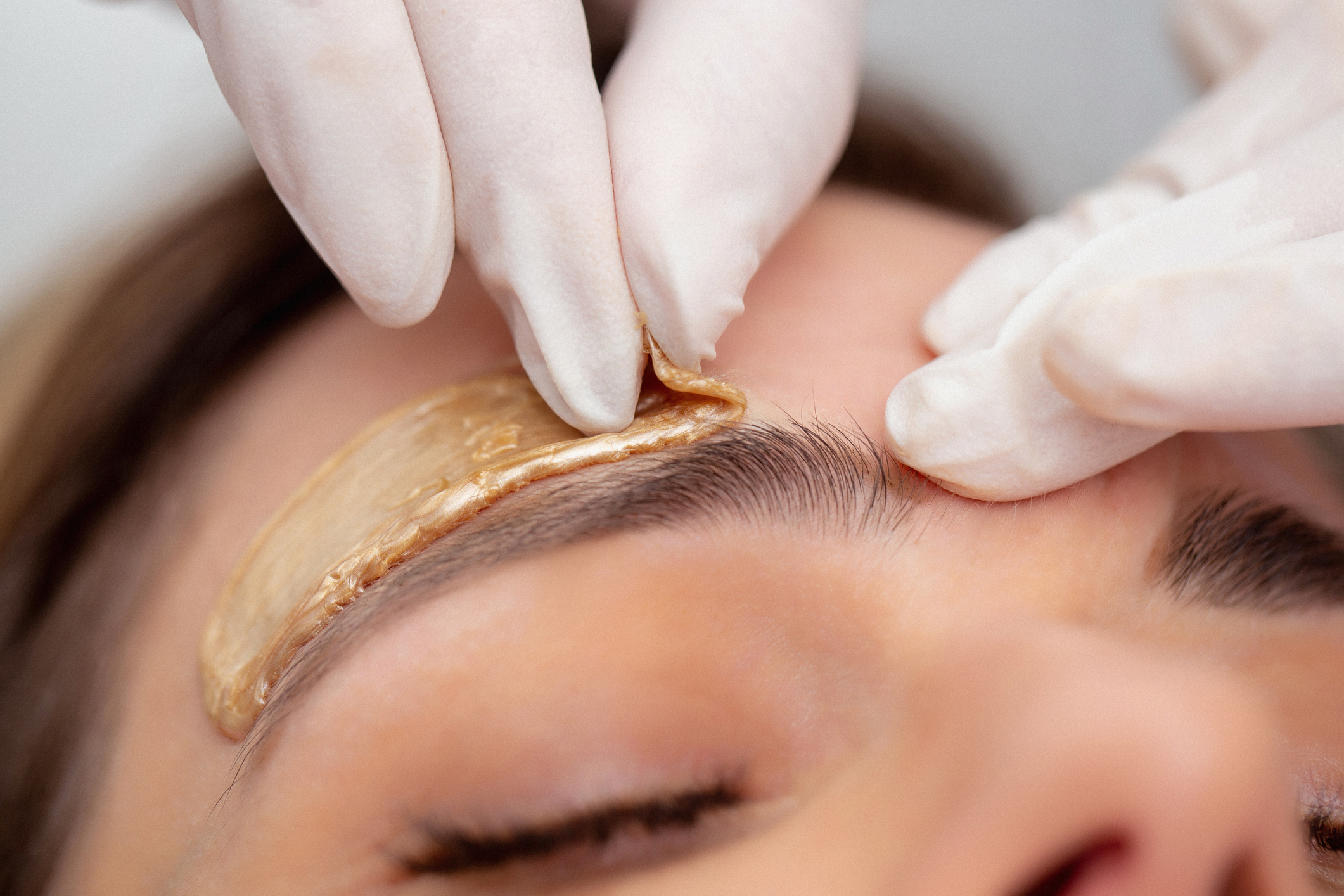
The wax type and technique also matter. For example, hard wax is often used on some sensitive areas because it grips the hair rather than sticking as strongly to the skin.
Choosing a Numbing Cream for Waxing
When choosing a numbing cream, look at the product type, active ingredients, strength, application instructions and whether it is suitable for the treatment area.
Aesthetics professionals and clinics often need products that are clearly labelled, reliable and sourced from a trusted supplier. You can browse professional numbing creams from Aesthetics Shop UK, including options commonly used before aesthetic and cosmetic treatments.
It is also worth buying from a supplier that provides clear product information and support. Aesthetics Shop UK supplies aesthetic products to practitioners and clinics across the UK, with a focus on product quality, safety and reliable service.
Is Numbing Cream Worth Using Before Waxing?
Numbing cream is fantastic for reducing discomfort, especially for sensitive areas or nervous clients. It is not a guarantee of pain-free waxing, and it must be used correctly, but it can make the treatment feel easier for many people.
The key is to choose the right product, follow the instructions, remove residue before waxing and avoid using it on unsuitable skin.
For practitioners, numbing cream can be part of a more comfortable client experience when used with proper consultation and care. For clients, it can offer reassurance before a treatment that may otherwise feel intimidating.
To explore suitable options, browse Aesthetics Shop UK’s numbing cream range or contact the team for product support before placing an order.