
 4.8 out of 5 Customer Rating
Skin Boosters
Do You Need Numbing Cream for Microneedling? A Practitioner’s Guide
Aug
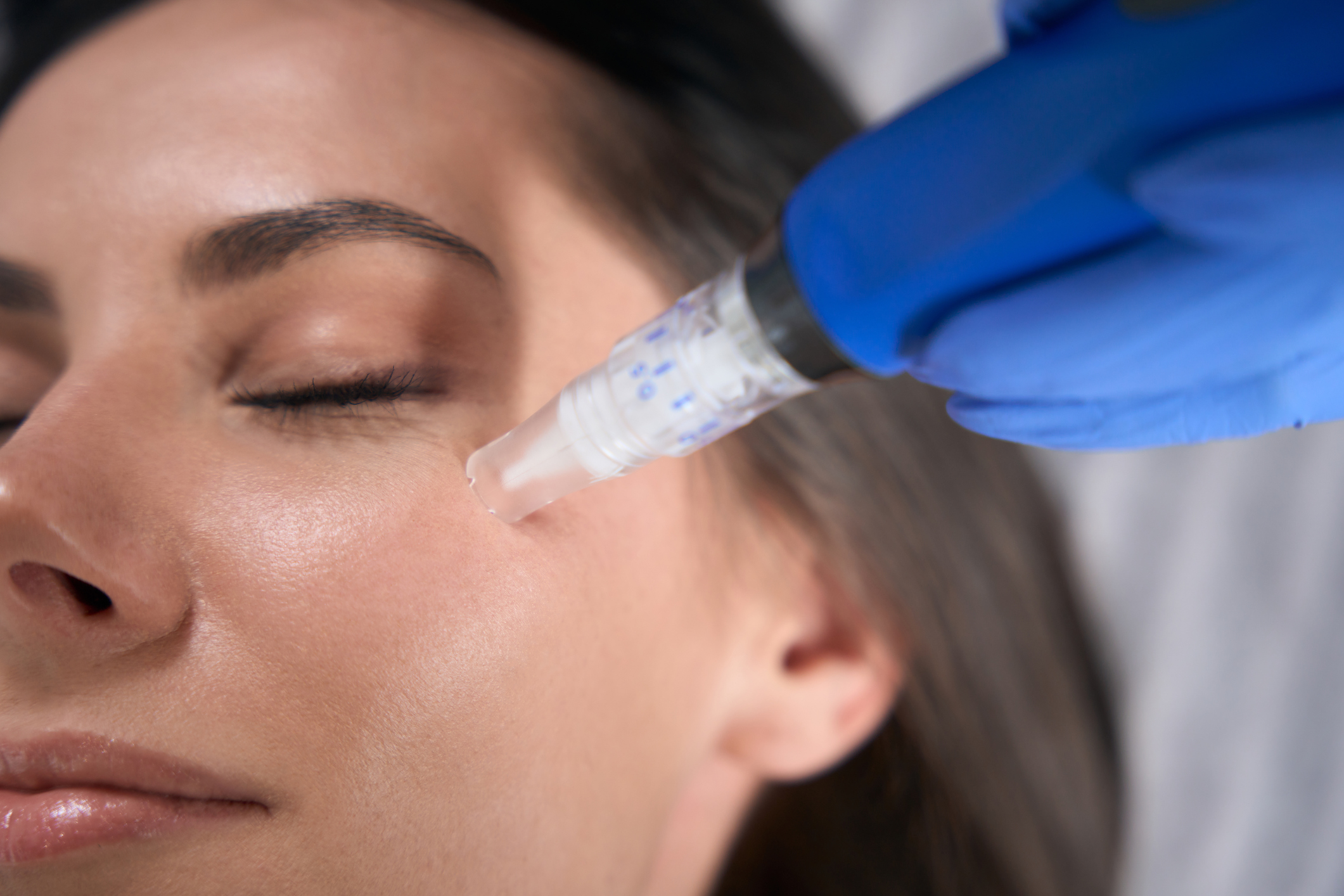
Microneedling is a popular professional skin treatment that can offer significant results for clients, but new practitioners and their clients are often unsure about how much discomfort should be expected. In most professional UK aesthetic settings, numbing cream is routinely used to improve client comfort, particularly when deeper or more intense sessions are planned. However, numbing isn’t universally required for every treatment, and the decision should be informed by the technique, device used, treatment area, and individual client needs.
This guide explores when, why, and how numbing creams are used during microneedling, as well as practical considerations for practitioners supporting client comfort in clinic.
Why Practitioners Use Numbing Cream for Microneedling
Microneedling involves the precise use of fine needles to create controlled micro-injuries in the skin to stimulate the body’s natural repair response. For many clients, even superficial microneedling can cause mild discomfort. Treatments using professional microneedling devices, especially at depths of 1mm or more, or across sensitive facial areas, can create sensations ranging from tingling to sharp pricks.
Applying a suitable numbing cream before treatment helps manage the client’s reactions and allows practitioners to perform the procedure more precisely. Comfortable clients are more likely to complete the treatment session willingly, which means you can work evenly and achieve the intended effects.
How Painful Is Microneedling?
Pain perception during microneedling varies between clients and is influenced by factors such as:
- The depth and density of microneedle application
- Treatment area (forehead and upper lip are often more sensitive)
- The client’s individual pain threshold
- Skin preparation and aftercare measures
Superficial treatments and at-home rollers generally cause a tolerable scratchy feeling. However, in clinical or advanced settings, where Professional Dermapens or medical-grade microneedling devices are used, most clients will notice increased discomfort. Deeper or more intense treatments are likely to cause sensations that clients would describe as painful without adequate numbing.
When first introducing microneedling in your clinic, it’s prudent to offer numbing cream as part of standard protocol, especially for initial sessions or for clients new to this type of procedure.
Do You Need to Use Numbing Cream for Microneedling?
As a practitioner, the decision to use numbing cream is not absolute but should be based on clear criteria: for light, cosmetic-only treatments using shallow settings, some practitioners may choose to skip numbing for clients comfortable with mild sensations. For medical-grade or deeper microneedling, numbing cream is often recommended and may be expected by most clients. Sensitive areas such as around the mouth, eyes or on the scalp almost always require pre-treatment numbing.
Numbing cream supports both the client’s comfort and the practitioner’s ability to deliver consistent results without the client needing repeated breaks or experiencing unnecessary stress.
If you are using, or considering, microneedling as a service in your clinic, familiarise yourself with best practices for selecting, applying and removing numbing products. Always check the latest product guidelines and consider patch testing for clients with a history of allergies or sensitive skin. For timing guidance, see how long numbing cream lasts in our practitioner-focused guide at Aesthetics Shop UK.
Is Microneedling Painful Without Numbing Cream?
For the average client, microneedling without anaesthetic can be uncomfortable or even painful, especially at greater depths or over the bony parts of the face. Discomfort is also more pronounced in higher-speed device settings or during longer, more intensive treatments.
Feedback from clients often describes a hot, prickly or stinging feeling that can increase as the session progresses. Some clients with higher pain tolerance may find shallow microneedling only mildly irritating, but others can find even brief treatments difficult to tolerate.
Offering numbing cream in advance of the procedure is more likely to produce a positive treatment experience, fewer interruptions, and improved outcomes.
Numbing Cream for Microneedling at Home: What Should Practitioners Advise?
Interest in at-home microneedling has grown, but professional practitioners should always advise on safety and best practice. Home-use microneedling devices are typically less invasive and have shorter needles than clinical equivalents, so pain is often milder.
However, if a client mentions strong discomfort or is considering using numbing cream for microneedling at home, remind them that not all numbing creams available online are approved for unsupervised application, dosage and application safety are harder to control outside a clinic, and some numbing creams require professional guidance or a prescription. Misuse increases the risk of skin reaction, improper treatment, or worse.
Clients should only ever use products as described in their manufacturer’s instructions, and ideally under professional advice. As a practitioner, offering guidance or supplying suitable numbing creams for home use (where permitted) can help improve safety for clients performing milder microneedling at home. For professional-grade treatments, always keep numbing cream application under your supervision.
Types of Numbing Creams Used for Microneedling
Most topical numbing creams used before microneedling contain lidocaine, prilocaine or a blend of local anaesthetic agents. Clinic-grade options, such as those found in the Aesthetics Shop UK numbing cream range, have been manufactured with practitioner-use and frequent application in mind.
Creams such as J-Cain, Neocain, Muchcaine and EMLA Cream contain from 5% lidocaine and are suitable for most facial and body areas. Tube sizes range from 30g (for small and infrequent treatments) to 500g (for busy clinics).
Practitioners should always check the active ingredient and its concentration, whether the cream is suitable for the planned treatment area, the manufacturer and supplier reputation, and storage or expiry guidance. Using a trusted UK supplier is essential to ensure product authenticity and compliance with UK regulations.
Practical Steps for Applying Numbing Cream Before Microneedling
Client safety and comfort require careful attention to product instructions and professional protocols. A standard clinic process may include cleaning and drying the skin to remove oils or residues, applying numbing cream evenly and in a thin layer to the treatment area, covering the area with an occlusive wrap if the product instructions specify, allowing the cream to act for the recommended time, then removing all traces completely before starting microneedling. Check for signs of irritation or allergy before you begin and avoid reapplying or leaving numbing products on for longer than directed, as this increases the risk of skin reaction. Always brief your client on what to expect before, during and after treatment, including how long the numbness will last and the timing before sensation returns.
Are There Risks or Downsides to Numbing Cream Use in Microneedling?
While the benefits of numbing are clear for most clients, practitioners should be aware of possible side effects and limitations:
- Some clients may be allergic or sensitive to anaesthetic agents such as lidocaine or prilocaine.
- Over-application or applying to irritated/broken skin can increase absorption and potentially cause adverse reactions.
- Rarely, masking discomfort may hide important signs that the treatment is too aggressive for the client’s skin type.
For these reasons, a detailed consultation, including medical history, allergy screening, and patch testing if indicated, should precede every new treatment. Education around application method and aftercare is just as important as product choice.
Does Numbing Cream Affect Microneedling Results?
A common concern is whether numbing products might impact the ultimate results of microneedling, especially around wound healing and collagen stimulation. To date, there is no robust clinical evidence suggesting that using topical anaesthetics prevents the desired effects of microneedling in qualified hands. In practice, numbing creams support effective, thorough treatment, especially when practitioner and client communication is clear and application follows product instructions.
Linking Professional Product Choice With Clinic Success
Stocking an appropriate range of numbing creams, such as those available from Aesthetics Shop UK, ensures your clinic can cater to differing comfort needs and treatment settings. Selecting reputable products designed for practitioner use and applying them safely helps maintain high client satisfaction and supports repeat business. You can also pair treatments with dedicated microneedling serums such as the LUMI-MESO TOX microneedling serum to support protocol planning and consistency.
Discover professional-grade numbing creams suitable for microneedling and other aesthetic treatments at Aesthetics Shop UK, with expert support and fast UK delivery for busy clinics.
FAQs
Are your numbing creams suitable for professional microneedling?
Yes. Our numbing creams include practitioner‑focused options commonly used ahead of skin treatments such as microneedling. Always follow the manufacturer’s instructions and assess suitability for each client during consultation.
What delivery options do you offer for numbing creams?
We provide tracked UK delivery with expedited options, plus free UK delivery on qualifying orders over £300. Orders placed before our weekday cut‑off are typically dispatched the same day. Check the delivery details shown at checkout for the latest timings.
Which numbing cream strengths and pack sizes do you stock?
We stock clinic‑grade creams including popular 5% lidocaine formulations in a range of sizes, from compact tubes for occasional use to larger packs for busy clinics.
Can you help me choose a numbing cream for my clinic protocols?
We are happy to discuss product information, pack sizes and ordering considerations to support your choice. We do not provide clinical advice. Contact our team if you would like guidance before you buy.
Do you supply microneedling serums and consumables alongside numbing creams?
Yes. Alongside numbing products, you can source microneedling serums, including peptide‑based options such as LUMI‑MESO TOX, plus a wide range of clinic consumables from one UK supplier.