
 4.8 out of 5 Customer Rating
Skin Boosters, Dermal Fillers
Skin Boosters vs Dermal Fillers: Which Is Right For Your Clinic?
Oct
When it comes to aesthetic treatments, it can be difficult for clients to decide what they need.
Fat dissolvers, skin boosters, dermal fillers; clients often know what outcome they are looking for, but can easily get misled about which products can help them get there most effectively.
Two of the most common products that clients get confused about are skin boosters and dermal fillers.
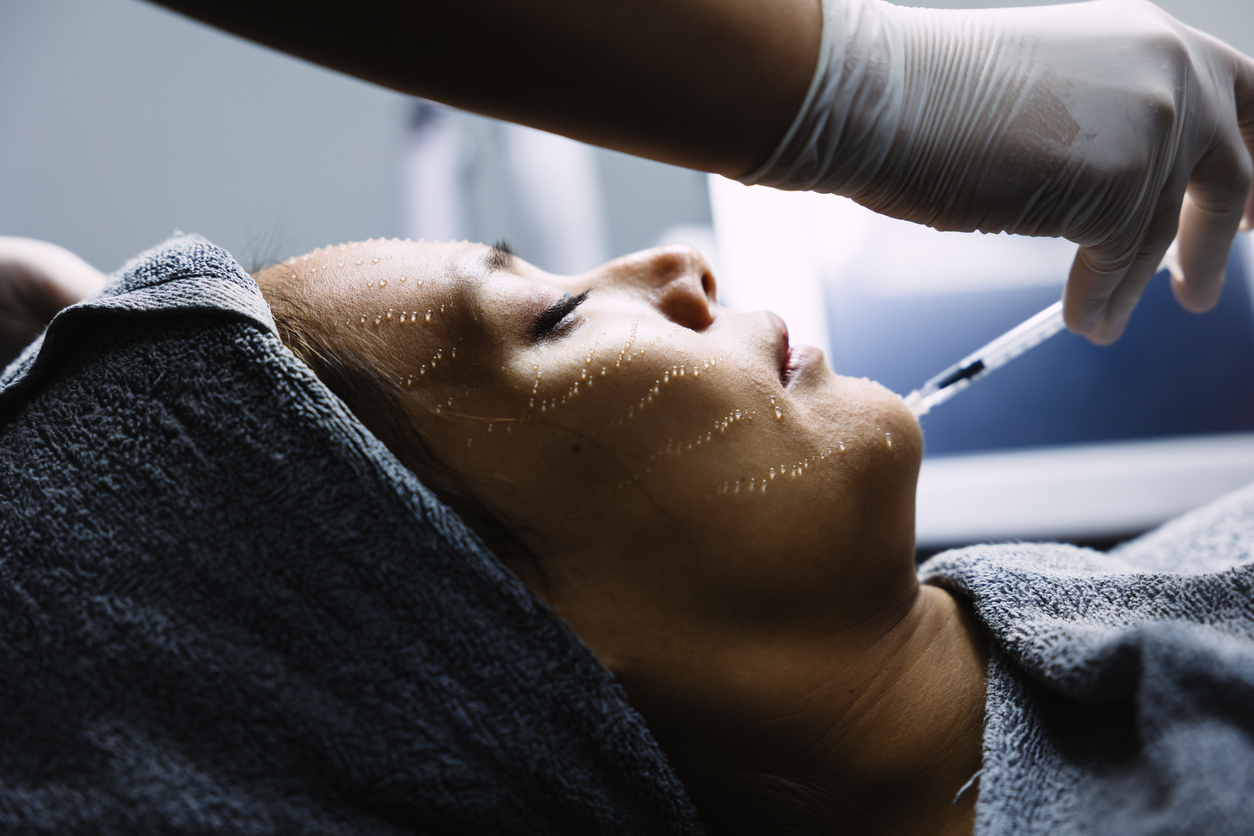
Skin boosters are injectable treatments designed to improve skin quality, whereas dermal fillers are injectable gels designed to restore or add volume and shape. Both are useful in clinical practice, but they solve different problems in different ways. This guide explains what skin boosters are, how they work compared with fillers, and how to decide which option better serves a given concern, patient profile and treatment plan.
What Skin Boosters are and How They Differ
Skin boosters are injectable products based on hyaluronic acid, a water-binding molecule that occurs naturally in human skin. The formulations are typically free or lightly stabilised rather than highly cross-linked, so the product spreads through the superficial dermis and attracts water. The result, when used appropriately, is more even hydration, smoother skin texture and improved elasticity with a natural finish. In other words, skin boosters leave skin looking fresher and feeling more supple without changing the client’s facial shape.
Dermal fillers are different. They are more structurally stable gels, often with meaningful cross-linking, placed at specific depths to replace lost volume, define features or fill deeper lines. The aim is support and contour rather than diffuse hydration. Both may contain hyaluronic acid, but the intended outcome and placement differ significantly.
The key difference is intent. Choose skin boosters to improve skin quality and radiance. Choose fillers to restore structure or reshape features. Plenty of clinics use both within a single plan, but they are not interchangeable, and it’s important to understand the difference.
How Skin Boosters Work in Skin
Skin boosters sit in the upper dermis, i.e. the top layer of skin, where hyaluronic acid draws and holds water, increasing tissue hydration. This hydration can support the extracellular environment and, over time, contribute to improved elasticity and a more even surface appearance. Some products also include additional components such as amino acids or polynucleotides that are selected by practitioners for particular use-cases.
Onset is usually gradual. Although a dewy look may appear within several days, many patients notice the clearest improvements between weeks two and four. It’s common to recommend a full course of skin boosters because repeated sessions can consolidate the change in hydration and texture. Suitability and technique should always be assessed, and products used according to their instructions by trained professionals.
Dermal Fillers and Their Role
Dermal fillers are designed to sit where structural support is required. Thicker or more cohesive gels suit deeper placement for cheeks, jawline or chin, while softer gels may suit lips or superficial line work. They integrate with tissue to restore contours or soften etched folds, and outcomes are often visible immediately because the shape has been replaced or enhanced.
Fillers can also improve the appearance of some lines by supporting the overlying skin. Although this may seem like a similar effect to skin boosters, it is still a structural correction. By contrast, skin boosters focus on how the skin itself looks and feels across a wider area. Many treatment plans will therefore use filler for shape, then skin boosters for luminosity and fine surface quality.
Skin Booster Types and Product Selection
Not all skin boosters behave the same. The label “skin booster” covers several product families that practitioners choose according to indication, area and technique. HA-based boosters use stabilised or non-cross-linked hyaluronic acid to drive hydration and skin quality across face, neck, décolletage and hands.
Polynucleotides comprise highly purified strands selected for specific skin quality indications and are often chosen for delicate zones such as the periocular area. Some hybrid or enriched formulas include added components such as peptides, amino acids or vitamin complexes to support particular protocols or to complement non-injectable skin quality work between sessions. Selection factors that matter in practice include:
- Treatment area, such as midface, neck or under eye.
- Product concentration and viscosity relative to placement depth and technique.
- Protocol design, including recommended session spacing and total course.
- Patient profile, including skin thickness, hydration status and downtime tolerance.
- Manufacturer guidance, including contraindications and compatible techniques.
Aesthetics Shop UK supplies a broad range of products used in UK clinics, including recognised HA-based boosters and polynucleotide options for face and eye protocols. If you want to compare formats, session packs and area-specific products, browse our professional skin boosters to review current options and pack sizes on one page at Aesthetics Shop UK.
Treatment Planning, Results and Maintenance
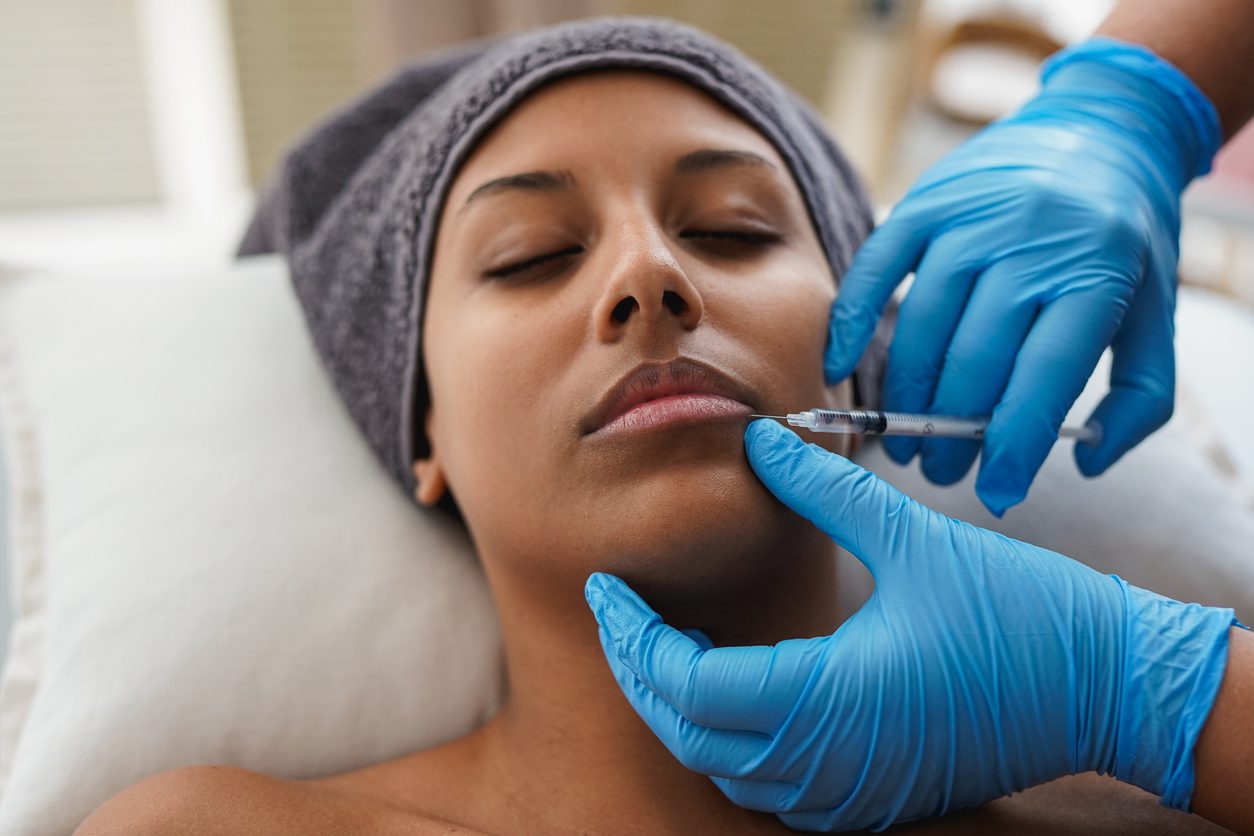
A short course is standard: many protocols use two to three sessions spaced three to four weeks apart, then maintenance every four to six months. Timings might vary by product, area and individual response. Mild redness or papules at injection sites can appear and typically settle within hours to a few days, depending on technique.
Initial hydration changes can be visible within one week. Peak improvement in texture and radiance is often reported around weeks three to four after a session. For planning purposes, explain that results are progressive and that maintenance sustains gains rather than creating a sudden transformation at each visit. If you want a deeper scheduling view, see our guide to how often you can have skin boosters for practical frequency scenarios and clinic planning tips.
Combining Treatments for Balanced Outcomes
Combined treatments often provide the most natural result.
When creating a treatment plan, it’s often a good idea to start with structural correction first by adding dermal fillers as needed, then skin quality optimisation with boosters once contours are stabilised. In the lower face, pairing fillers for dynamic lines with boosters for superficial texture can work well when timed appropriately. Microneedling serums can also complement protocols in selected cases where non-injectable support is desired between sessions. For clients who may be worried about microneedling, our guide to numbing cream use in microneedling can help practitioners create an entire protocol for their clients.
Spacing and interactions depend on products and areas treated. Follow each product’s guidance and your clinic’s protocols, and adjust for the patient’s healing response and diary needs.
The Business Case for Offering Skin Boosters
Skin boosters meet growing demand for subtle, naturalistic outcomes. They attract patients who are hesitant about adding too much volume, but still want visible freshness. Skin boosters are also a gret option for extending care for existing filler patients who now expect a more holistic approach.
Clinically, boosters fit naturally into review appointments and seasonal skincare planning. Operationally, they support repeat bookings through maintenance cycles and can be integrated into memberships or course pricing where appropriate for your clinic model.
They also provide flexible entry points. Eye area polynucleotides, full-face HA boosters, and hand rejuvenation each address distinct concerns, allowing clinics to expand indications without overhauling appointment lengths or recovery guidance.
Choosing and Stocking Products with Confidence
Build your skin booster shelf around your most common clients. In addition, our range of aestethic supplies makes it simple to plan product purchases that match your appointment structure, such as single vials for top-ups and multi-packs for courses. Confirm storage and handling for each brand, and standardise consumables and sharps logistics to keep treatments smooth for your team.
If you are refining your range or comparing formats and pack sizes, you can explore our current selection: it brings together HA boosters, eye-area polynucleotides, and treatment course packs in one place, so you can compare what suits your protocols. Explore our professional skin boosters to see the options available with UK delivery.
Note: All injectable treatments should be performed by suitably trained practitioners following product instructions and clinic protocols. Suitability, technique and aftercare should be personalised to the individual patient.
Contact Aesthetics Shop UK
If you’re looking for a new source of fat dissolvers, dermal fillers, numbing creams or skin boosters, Aesthetics Shop UK is a trusted UK supplier of a wide range of aesthetic products.
If you are just starting out in aesthetics or have any questions about our products, please contact us with any questions and we’ll be happy to help support your journey.
Frequently Asked Questions
What is the practical difference between skin boosters and dermal fillers in clinic use?
Skin boosters improve skin quality and hydration across a wider field without changing facial structure. Dermal fillers add or restore volume and shape at specific points to support contours. Many plans sensibly use filler first for structure, then boosters for radiance and fine texture.
How often should maintenance skin booster sessions be scheduled?
After an initial course of two to three sessions, many clinics review for maintenance every four to six months. Timings vary by product, area and patient response, so follow product guidance and your clinic protocol.
Can skin boosters and dermal fillers be combined in one plan?
Yes, they are commonly combined. A typical sequence is structural correction with filler first, followed by skin boosters once the shape is stable. Space treatments according to product instructions and your clinical judgement.
Which skin booster formats and brands are available from Aesthetics Shop UK?
We stock recognised HA-based boosters and polynucleotide options suitable for full face, eye area and hands, with different vial sizes and multi-pack formats. Brands include popular names used in UK clinics such as Profhilo, Seventy Hyal, Lumi Pro, Vitaran and iLLUMA, among others. Check the category page for current availability and pack sizes.
Are your injectable products for professional use only?
Products supplied for injection are intended for suitably qualified or trained practitioners. Always follow the manufacturer’s instructions and your clinic protocols when administering treatments.
Do you offer UK delivery and support for clinic purchasing?
We provide tracked UK delivery options, with free delivery on qualifying orders over £300. Our team is available by email and WhatsApp if you need help choosing products or managing orders.