
 4.8 out of 5 Customer Rating
Skin Boosters
Lip Filler Aftercare: What Clients Should Do, Avoid and Expect
Jul
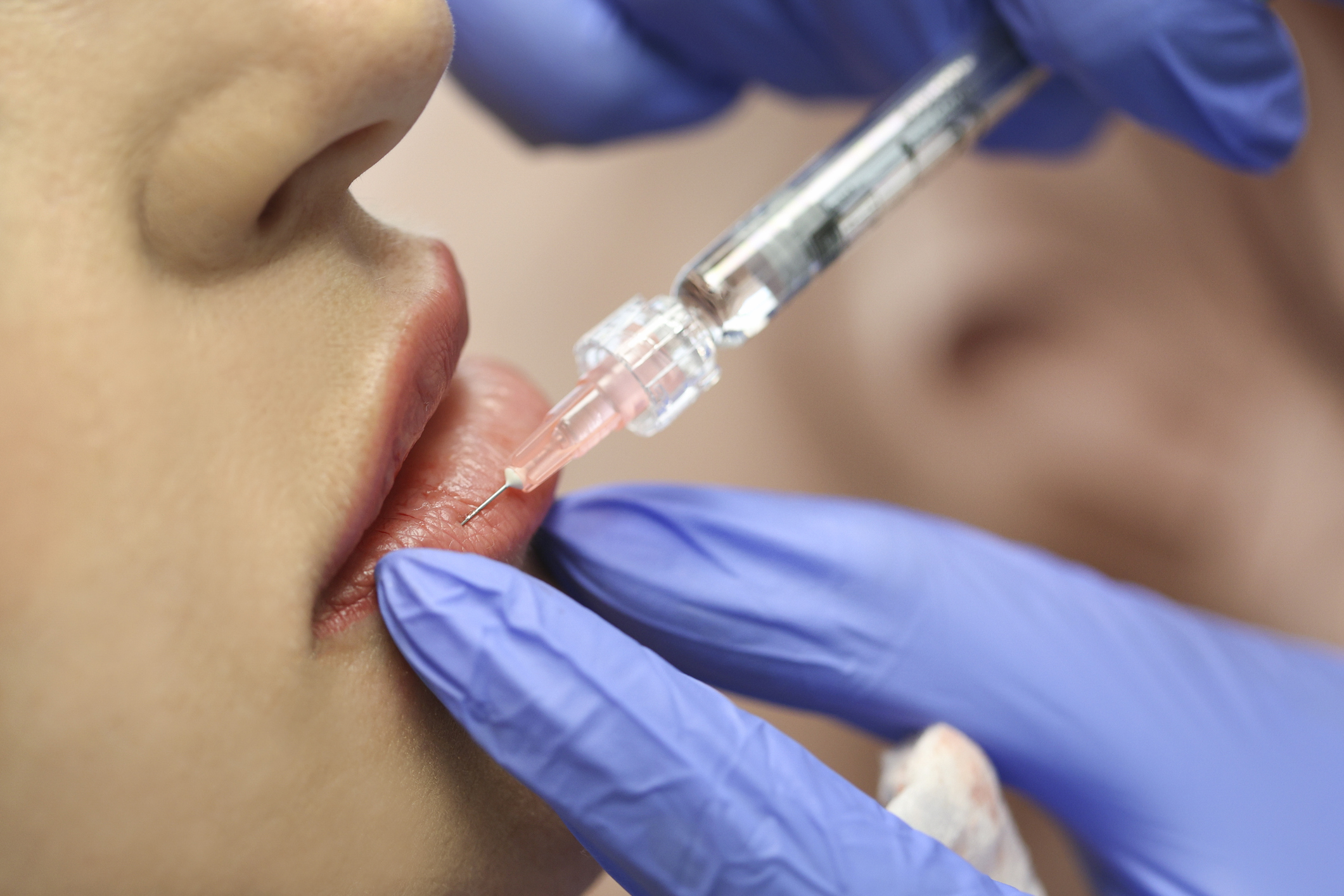
Lip filler aftercare is one of the most important conversations clients need after treatment. Even when a treatment has gone smoothly, swelling, tenderness, bruising or early unevenness can make clients worry about whether their lips are healing as expected.
For aestheticians and practitioners, clear aftercare advice helps clients feel informed before they leave the clinic. It explains what is normal, what should be avoided and when to get back in touch if something does not feel right.
This guide covers the key lip filler aftercare points clients should understand, including what to do in the first 24 hours, what not to do after lip fillers and how long lip fillers take to settle.
Lip Filler Aftercare: The Quick Answer
After any lip filler treatment, clients should keep their lips clean, avoid touching or pressing the area and follow the aftercare advice given by their practitioner. The first 24 to 48 hours are usually the most important for reducing avoidable irritation.
First 24 Hours After Lip Filler Checklist
Clients should always:
- Avoid touching, rubbing or pressing the lips
- Avoid alcohol
- Avoid strenuous exercise
- Avoid saunas, steam rooms, sunbeds and hot yoga
- Avoid kissing, smoking, vaping and using straws
- Avoid lipstick, lip gloss and heavy lip products
- Drink plenty of water
- Sleep with the head slightly raised
- Contact their practitioner if pain, swelling or colour changes feel unusual
Some swelling, tenderness and mild bruising can be normal. The lips often look fuller in the first few days before softening into the final result.
Why Is Lip Filler Aftercare Important?
Lip fillers are commonly made with hyaluronic acid, which binds with water. Because the lips are naturally sensitive, swelling can be more noticeable here than in some other treatment areas.
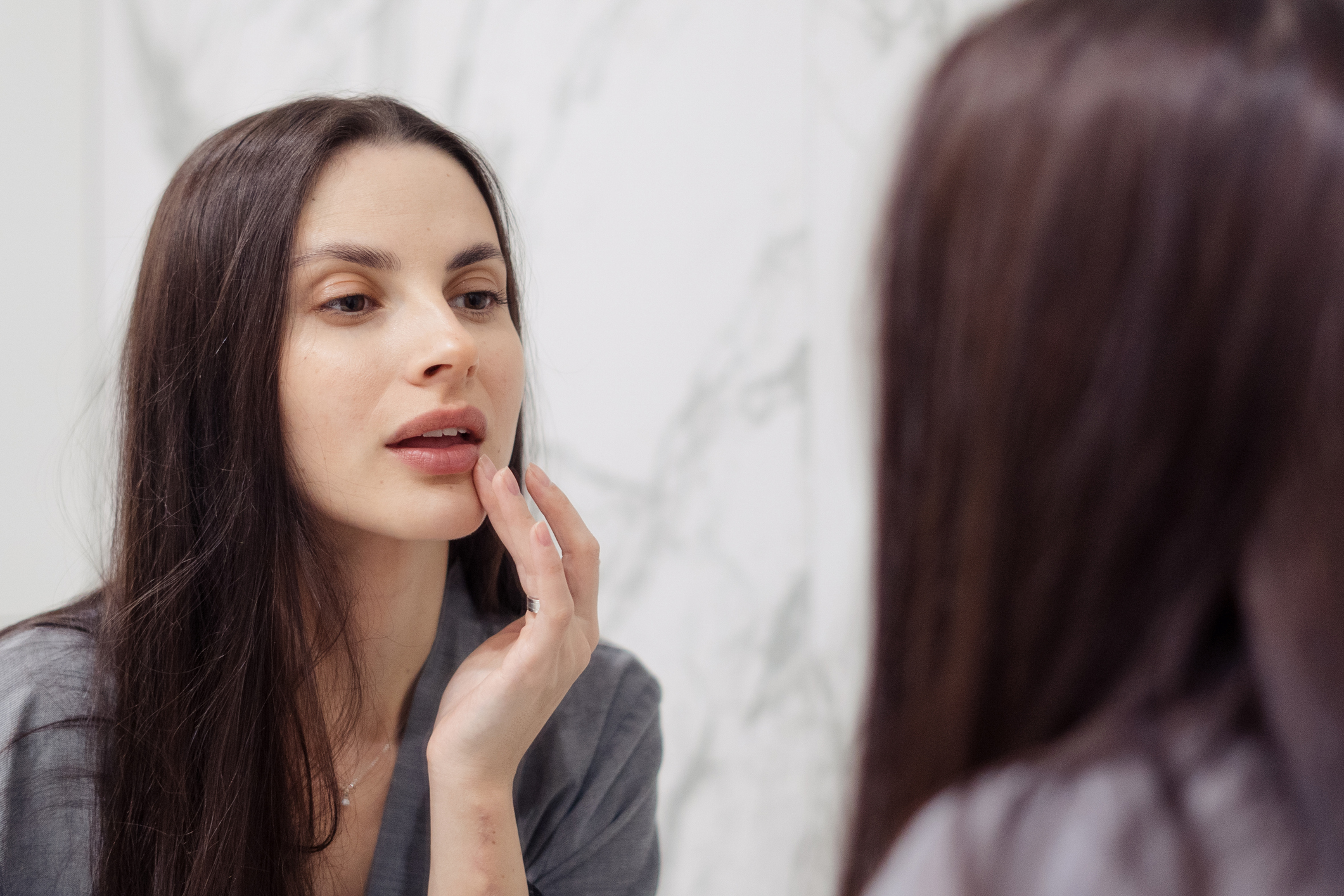
Good aftercare helps clients avoid disturbing the treated area while the filler settles. It can also reduce unnecessary worry, especially for clients who are new to dermal filler treatments.
Aftercare supports cleaner healing around the injection points, better understanding of swelling and bruising, reduced irritation from heat or pressure and clearer expectations around the final result. It also helps clients know when a symptom is normal and when they should contact their practitioner for further advice.
What Should Clients Do After Lip Fillers?
Clients don’t need complicated instructions. Simple, repeated advice is usually easiest to follow.
Keep the Treatment Area Clean
Clients should avoid touching their lips with unwashed hands. The injection points are small, but hygiene still matters after treatment.
If the area needs cleaning, clients should follow the practitioner’s advice and avoid harsh skincare, exfoliants or fragranced products around the lips.
Use a Cool Compress Carefully
A clean, cool compress can help ease swelling or tenderness. It should be wrapped and applied gently for short periods.
Clients should not press hard, rub the lips or place ice directly against the skin. They should only massage their lips if their practitioner has specifically advised it.
Drink Water and Choose Gentle Foods
Hydration can help clients feel more comfortable during recovery. Soft, easy-to-eat foods may also be useful while the lips feel tender.
Salty foods, spicy foods and hot drinks can make the lips feel more irritated for some clients, so it might be a good idea to avoid them during the first day or two.
Sleep With the Head Slightly Raised
Swelling can look more noticeable the morning after treatment. Sleeping with the head slightly raised may help reduce fluid build-up.
Clients should also try to sleep on their backs and avoid pressing their faces into the pillow.
What Not To Do After Lip Fillers?
Clients often search for what not to do after lip fillers because they want to avoid affecting their results. This advice should be direct and easy to remember.
For the first 24 to 48 hours, clients should usually avoid touching, squeezing or pressing the lips. They should also avoid kissing, smoking, vaping, drinking alcohol, strenuous exercise, saunas, steam rooms, sunbeds, hot yoga and very hot drinks. Drinking through straws, applying lipstick, using lip gloss or having facial treatments around the mouth should also be avoided during the early recovery period.
Clients should also avoid dental work, facial massage, strong exfoliating skincare and further aesthetic treatments near the area for around two weeks unless their practitioner advises otherwise.
Can Clients Exercise After Lip Fillers?
Strenuous exercise can increase blood flow and body temperature, which may make swelling or bruising worse.
Light walking is usually fine, but gym sessions, running, heavy lifting and high-heat classes are best avoided for at least 24 to 48 hours.
Can Clients Drink Alcohol After Lip Filler?
Alcohol can increase the chance of bruising and swelling. It can also make clients more likely to touch or knock the area without thinking.
Most practitioners advise avoiding alcohol for at least 24 hours after treatment. Some may recommend 48 hours, especially if the client bruises easily.
Can Clients Wear Lipstick After Lip Filler?
Clients should usually avoid lipstick, lip gloss and lip liner for the first 24 hours. This helps reduce irritation and lowers the risk of introducing bacteria near the injection points.
A gentle balm may be suitable later, depending on the advice given in clinic.
How Long Does Lip Filler Take To Settle?
Lip filler usually looks much more settled after 10 to 14 days, once swelling has reduced. Some subtle softening and integration can continue for up to four weeks.
In the first 24 hours, swelling, tenderness and fullness are common. For some clients, swelling may peak around days two to three before gradually reducing over the rest of the first week. By days 10 to 14, the lips often look much more settled, although small changes in softness and integration may continue for up to four weeks.
Some clients swell more than others. This can depend on the product used, the injection technique, the number of injection points, previous filler history and how easily the client bruises.
Is Lip Filler Swelling Normal?
Some swelling is expected after lip filler. The lips are delicate and temporary inflammation can happen even when treatment is carried out carefully.
Normal short-term effects can include mild swelling, small bruises, tenderness, redness around injection points, firmness and slight unevenness during early healing. Swelling is not always even either. One side may look puffier for a few days before the lips settle.
Clients should be reassured that early fullness does not always reflect the final result. They should still be encouraged to contact the clinic if symptoms feel unusual, painful or are getting worse.
When Should Clients Contact Their Practitioner?
Aftercare advice should always explain when clients need professional support. This protects clients and helps practitioners deal with concerns quickly.
Clients should contact their practitioner urgently if they notice:
- Severe or worsening pain
- Skin that looks white, grey, purple or dusky
- Blistering
- Increasing heat, redness or swelling
- Discharge or signs of infection
- Fever or feeling unwell
- Sudden marked asymmetry
- Vision changes
- Pain that feels different from normal tenderness
However, this does not replace clinic advice, emergency protocols or medical support. If a complication is suspected, practitioners should follow their clinical training, insurance guidance and emergency process.
What Should Practitioners Explain Before Clients Leave?
Clients are more likely to follow aftercare when they hear the advice clearly and receive it in writing.
Before clients leave the clinic, practitioners should explain what swelling and bruising may look like, what to avoid in the first 24 to 48 hours and how long results may take to settle. They should also make sure clients know which symptoms need urgent contact, how to reach the clinic if they are worried and whether a follow-up appointment is needed.
This is also a useful time to check that the client understands the advice. A simple question like “Do you feel clear on what to avoid tonight?” can help prevent confusion later.
For trained professionals sourcing products for treatment, Aesthetics Shop UK supplies dermal filler products for aesthetic clinics from trusted brands.
Lip Filler Aftercare
Lip filler aftercare should be clear, calm and easy for clients to follow. Most clients want to know the same things: what they should do, what they should avoid, how long swelling lasts and when their lips will look settled.
For practitioners, the aim is to give clients practical advice before they leave the clinic, then make it easy for them to ask for help if they are unsure.
If you are reviewing your clinic stock or need support finding suitable aesthetic treatment supplies, contact Aesthetics Shop UK for help from the team.